Spinocerebellar ataxias (SCA)
Genetic forms: SCA1, SCA2, SCA3 (Machado–Joseph disease), SCA6 and others. They usually start in adulthood and progress slowly. SCA1 is especially common in Yakutia.
Astana, Kazakhstan · Japanese acupuncture
We help people with cerebellar ataxia walk and balance with more confidence. Japanese acupuncture, scalp acupuncture and hara diagnosis — and we check every session with a video gait measurement, not by eye.
+7 707 632 23 22 · Kerey, Zhanibek Khandar St. 50/3, Astana · international patients welcome
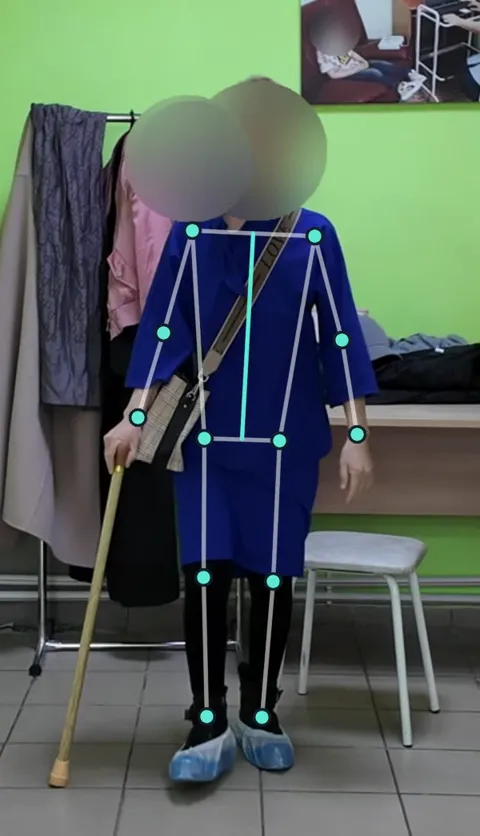 Before
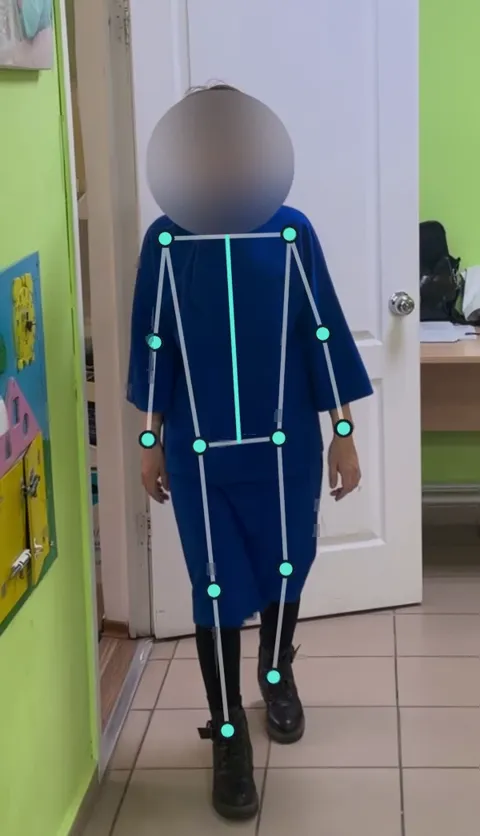 After
After
Frames from our AI gait measurement. Face hidden.
In plain words
The cerebellum is a small part of the brain at the back of the head that keeps movements accurate and coordinated. When it works less well, the muscles stay strong but movements lose their “tuning”: walking becomes unsteady, the hand misses its target, speech becomes slurred. This is called cerebellar ataxia.
Genetic forms: SCA1, SCA2, SCA3 (Machado–Joseph disease), SCA6 and others. They usually start in adulthood and progress slowly. SCA1 is especially common in Yakutia.
Usually appears in childhood or the teenage years: unsteady walking, weak legs, sometimes heart and spine changes.
The cerebellum can be damaged by stroke, head injury, multiple sclerosis, a tumour or its removal, alcohol, or vitamin deficiency.
Sometimes no cause is found even after testing. That does not stop us from working on walking and balance.
If these symptoms appear suddenly, seek emergency care — it can be the start of a stroke. Ataxia is diagnosed by a neurologist; we work alongside their treatment, not instead of it.
Our approach
We do not promise to cure ataxia, and we say honestly that every person's result is different. But our patients often see noticeable improvements in walking and balance, and we show them with video and numbers, not words.
A Japanese method: the doctor palpates the abdomen to find tender, tense areas that guide the choice of points. After needling the area is checked again — the response is visible immediately.
Very thin needles, a gentle technique and few points. Kiiko Matsumoto school: every point is confirmed by palpation rather than chosen from a chart.
Yamamoto New Scalp Acupuncture (YNSA) and scalp zones related to balance and movement — widely used for neurological conditions.
We film normal walking and line walking; AI software tracks 17 points on the body and measures trunk sway, step rhythm and arm position. We compare before and after — see how it works.
Measured, not guessed
“Better” by eye is easy to confuse with a good day. So we film walking on a phone, and AI software turns the video into numbers. Both the doctor and the patient can see what has really changed.
An example from our practice: a patient from Astana with a balance disorder. In June she lost her balance on the line and held her arms out; in October she walked the line without stumbling. The software compared the videos using 17 body points:
An internal video measurement, not a diagnosis. One person's numbers — every result is different. Faces hidden.
Patient results
Each video shows the same test before and after the course: “before” on the left, “after” on the right. The dots and lines are the AI gait measurement, and the numbers come from these videos. Faces are hidden. Every result is different.
Before the course she used a cane, held on to support when turning and struggled with stairs. After 7 sessions she walked the corridor without the cane.
The youngest patient at our visiting clinic. Before treatment he swayed and held his arms out for balance. After the course he walks calmly and evenly.
«The unsteadiness has decreased.»Patient, after the course (translated)
Before treatment he held on to the wall in the corridor. At the end of the course he walks the same corridor on his own.
Before the course he walked with a cane and the doctor's help. Afterwards he walks alone; he also says swallowing and speaking became easier.
«I swallow normally, I speak normally.»Patient, during the course (translated)
On day one she could walk the corridor only holding the doctor's hand. On the last day she walked it alone.
«No dizziness at all. It went away right after the first day.»Patient, mother of two (translated)
He walked on his own but with a wide stance and swaying; walking with eyes closed or in the dark was hard.
«Now I can walk even with my eyes closed.»Patient, after the course (translated)
We met them at our visiting clinic in Yakutsk: the brother struggled to walk down a corridor, the sister walked the line holding on to a couch. In October they travelled to Astana and continued treatment. On 8 October, the same test: both walk on their own, more steadily, with no dizziness when turning. Video captions are in Russian.
“Any dizziness when you turn?” — “No… it's gone now.”Sister, Astana, 8 October (translated) · short version on Instagram
Video measurements are internal and are not a diagnosis. Patients' words reflect their personal experience. Every result is different; we do not promise a cure for ataxia.
Patient reviews
Short video reviews from patients with ataxia and balance problems (in Russian; translations below). Tap any card to watch. Faces are hidden.
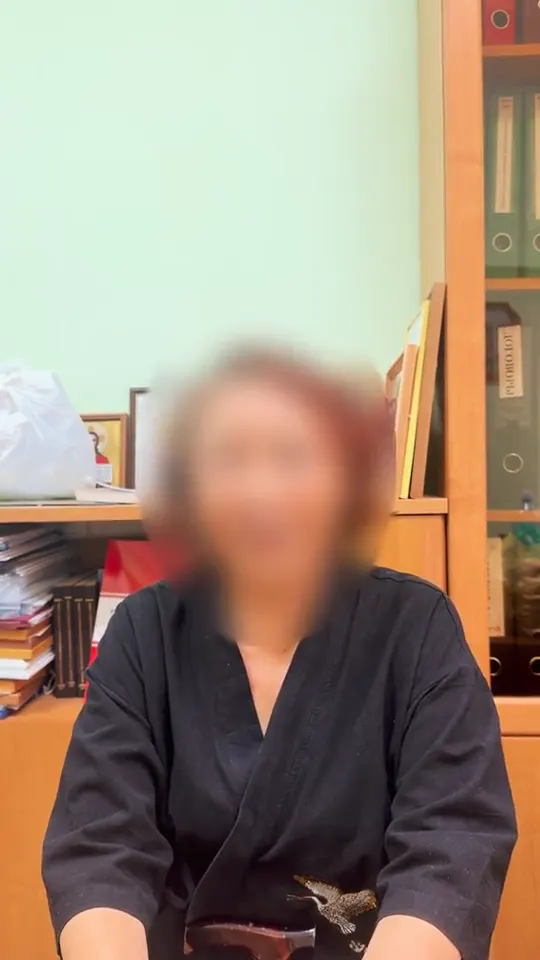
I was very unsteady and walked with a cane… Today is day six. No more swaying.Woman, Yakutsk · after 6 sessions
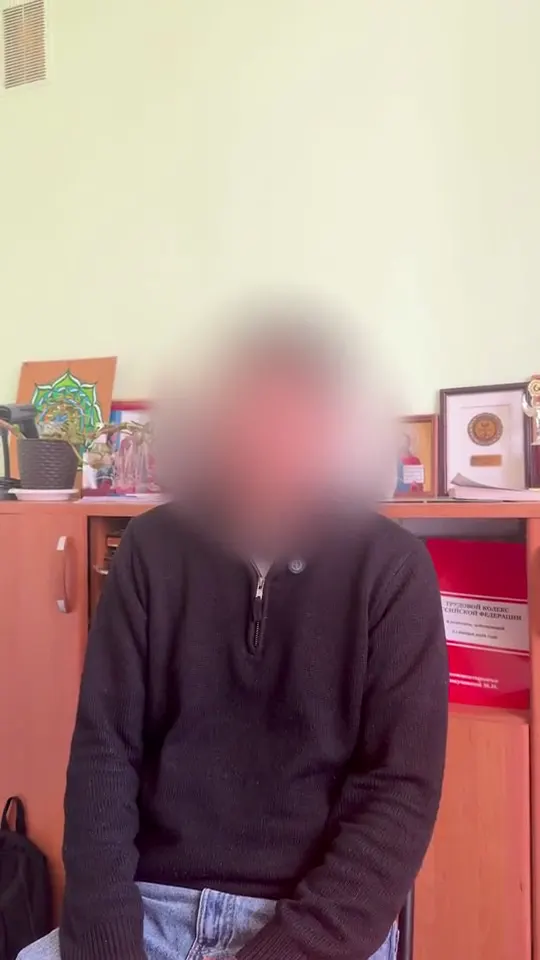
Now I can walk even with my eyes closed. Walking in the dark was hard — now it is better.Man with ataxia, Yakutsk · 7 sessions
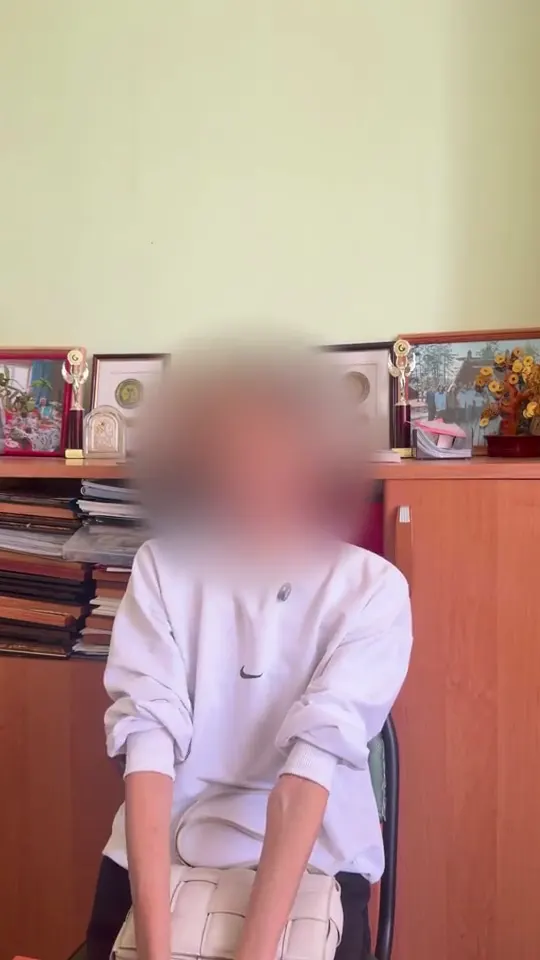
No dizziness at all. It went away right after the first day.Woman, ataxia for 3 years · Yakutsk
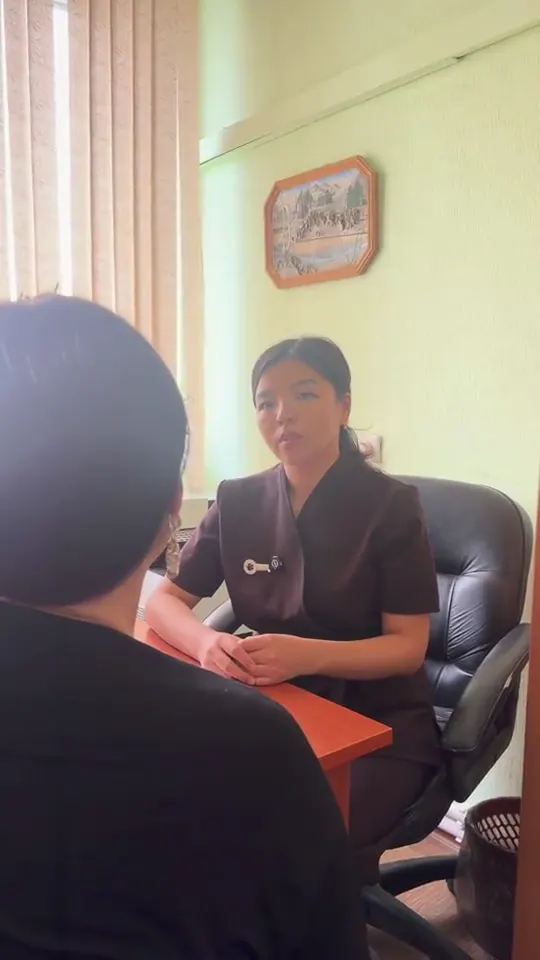
The double vision is gone. I can close my eyes and walk straight.Woman, Yakutsk · 7 days of treatment
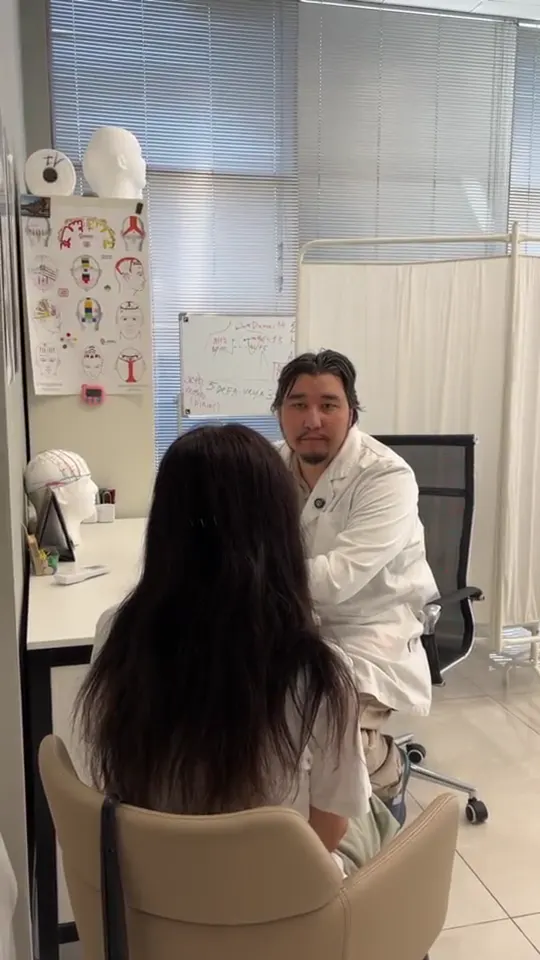
By the third session my walking started to improve. I used to drift to the right — now I walk straight, along the line.Woman from Yakutia, Astana · 10 sessions
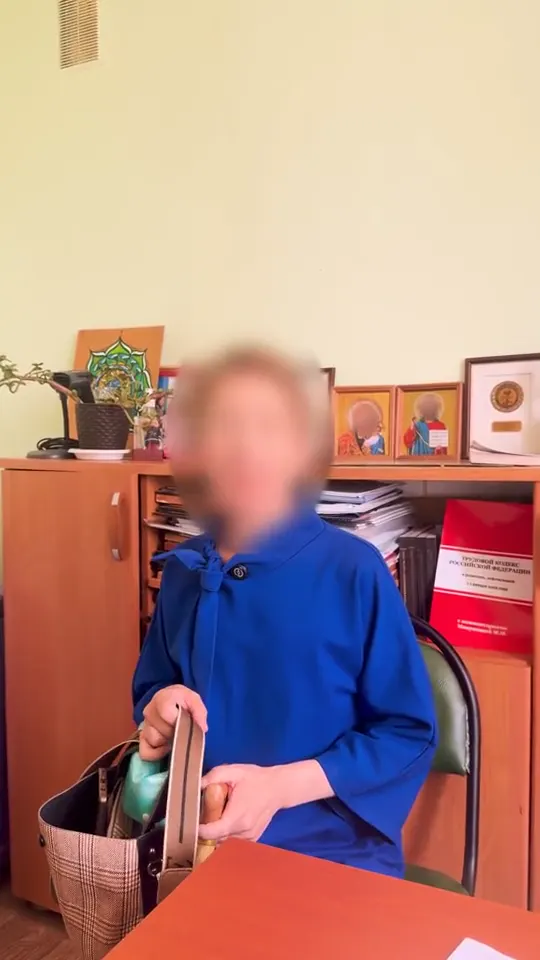
At first I could not climb stairs — now I go up easily. And I feel confident.Woman, Yakutsk · 7 sessions
Who will see you
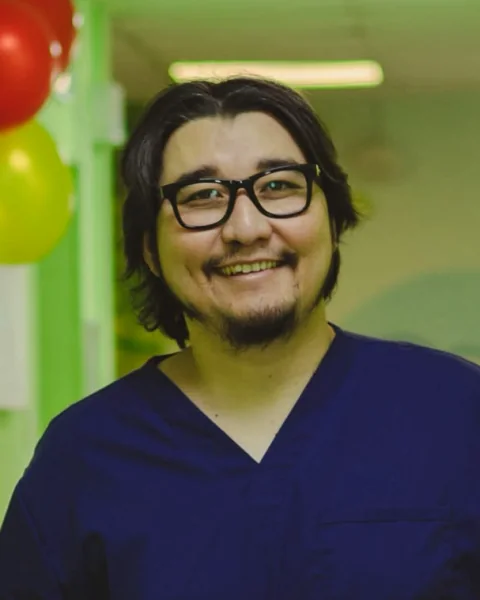
Lead physician
Treats patients with ataxia and other neurological conditions. Japanese acupuncture, hara diagnosis, scalp acupuncture. Introduced AI video gait analysis at the clinic.
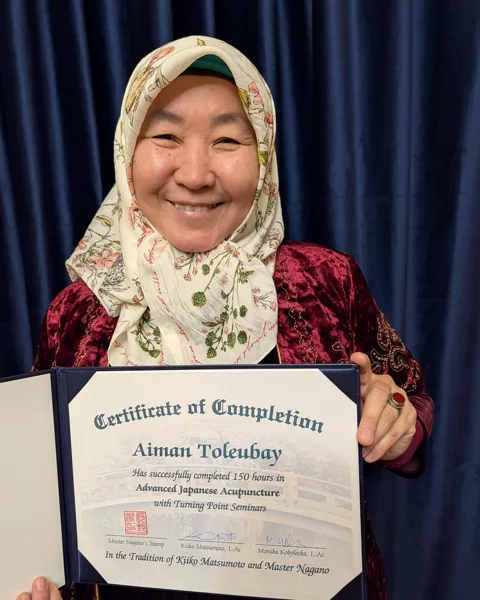
Founder
Neurologist and acupuncturist: 35 years of practice, 15 of them in Japanese acupuncture. Trained with Kiiko Matsumoto and in China, Japan, Germany, the Netherlands and Portugal.
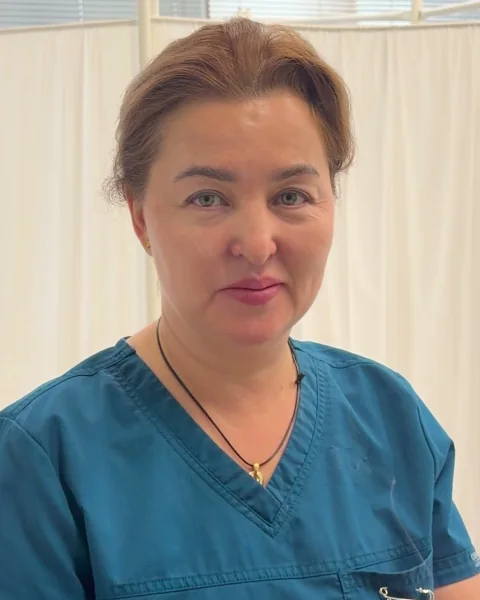
Physician
Clinic physician. Japanese acupuncture, moxibustion, Yamamoto scalp acupuncture.
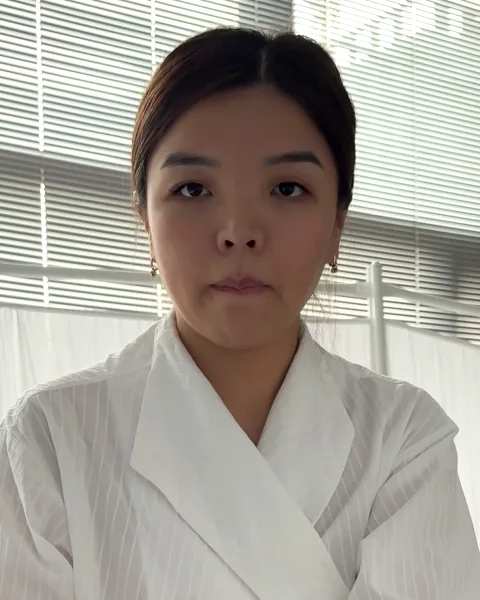
Physician
Clinic physician. Japanese acupuncture with the result checked during the visit.
Questions & answers
Hereditary forms such as the spinocerebellar ataxias (SCA) cannot be cured by any method today — not by medication and not by acupuncture. Our aim is to improve walking, balance and well-being: less swaying and dizziness, steadier steps. Our patients often see noticeable improvements in walking and balance, but every person's result is different and we never promise it in advance.
Acupuncture, especially scalp acupuncture, is being studied for neurological balance disorders; the research so far is limited and the studies are small. We rely on our clinical experience and on measurement: we film walking before and after and compare the numbers. Acupuncture does not replace follow-up with your neurologist.
We see patients with hereditary spinocerebellar ataxias (SCA1, SCA2, SCA3 and others), Friedreich's ataxia, ataxia after stroke, head injury or surgery, and ataxia of unknown cause. The diagnosis is made by a neurologist; we look at how the person walks and balances now and build a plan.
Whatever you have: your neurologist's report, brain MRI, genetic test results if available, and a list of medications. If you have no tests yet, come anyway — we will tell you what is worth doing.
A conversation and examination, hara (abdominal) diagnosis, and a video gait test: normal walking, walking along a line and turning. Then the first acupuncture session and a repeat walking test, so you can see the response straight away.
We decide after the first visit and adjust according to the gait measurements. For patients coming from other cities or countries we plan an intensive schedule for their stay in Astana and give home recommendations.
Japanese acupuncture uses very thin needles and a gentle insertion technique. Most patients feel only a light prick or warmth. If anything is uncomfortable, tell the doctor and the treatment will be adjusted.
No. We do not cancel your neurologist's prescriptions. Acupuncture combines well with physiotherapy, vestibular exercises and rehabilitation.
Message us on WhatsApp at +7 707 632 23 22 or e-mail drtoktarkhan@gmail.com: briefly describe the diagnosis and send a short video of how you walk. We will suggest dates and help you plan the trip to Astana. Patients come to us from Yakutia, other cities of Kazakhstan and from abroad.
The cost depends on the treatment plan. We share prices and available dates on WhatsApp: +7 707 632 23 22.
Contact